Limpopo-Lipadi Reserve
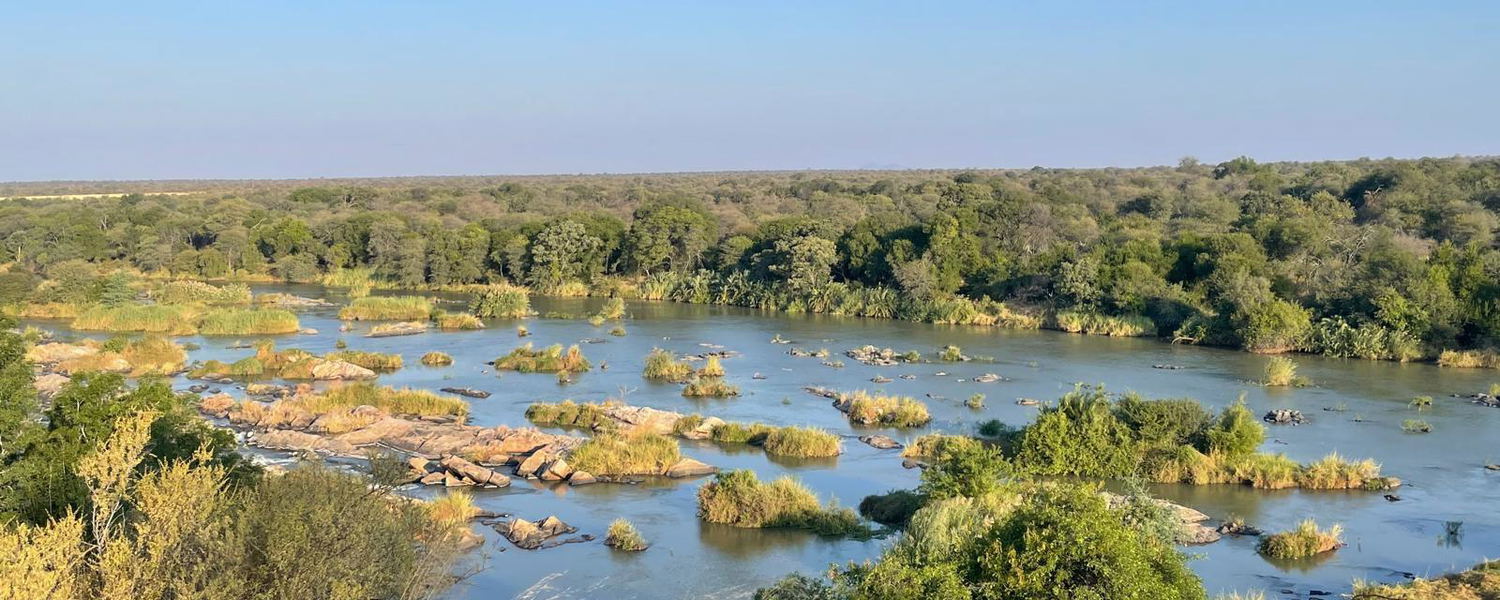
Tapologo River Lodge is located within the vast Limpopo-Lipadi Wildlife & Wilderness Reserve, a privately protected wilderness area in Botswana’s remote Tuli Block. Covering more than 20,000 hectares of diverse landscapes along the Limpopo River, the reserve combines conservation, low-impact tourism and habitat restoration within one of southern Africa’s most distinctive ecosystems.
Limpopo-Lipadi is defined by extraordinary ecological diversity. Riverine forests, open plains, sandstone ridges, mopane woodland, wetlands and ancient baobab landscapes create a rich mosaic of habitats that support a wide variety of wildlife and birdlife throughout the year.
The reserve is home to elephant, leopard, lion, wild dog, hyena, giraffe, zebra, kudu, waterbuck and numerous other plains game species, while the Limpopo River system attracts abundant birdlife, including kingfishers, bee-eaters, fish eagles and many migratory species.
Unlike many more heavily visited safari destinations, Limpopo-Lipadi remains intentionally low density, allowing wildlife encounters to feel private, natural and deeply immersive. Guests can spend hours exploring the reserve without encountering other vehicles, creating a safari experience shaped more by the rhythm of the wilderness than by tourism infrastructure.
Conservation lies at the heart of the reserve’s long-term vision. Ongoing habitat protection, anti-poaching initiatives and wildlife management programmes support the continued restoration of the ecosystem, including an expanding rhino conservation programme that forms an important part of the reserve’s future.
For guests at Tapologo, Limpopo-Lipadi offers something increasingly rare in modern safari travel: space, stillness and the feeling of being immersed within a living wilderness rather than simply visiting it.
Limpopo-Lipadi is a fully protected reserve and is fenced primarily to support the conservation and security of key species populations, including white rhino, lion and endangered wild dog. The scale of the reserve and its extensive wilderness landscapes nevertheless allow wildlife to move naturally within a vast and ecologically diverse environment.
The reserve is also considered a low-risk malaria area, making it particularly attractive for families, multi-generational travel and guests seeking a safari experience with reduced malaria concerns.
Share This Page